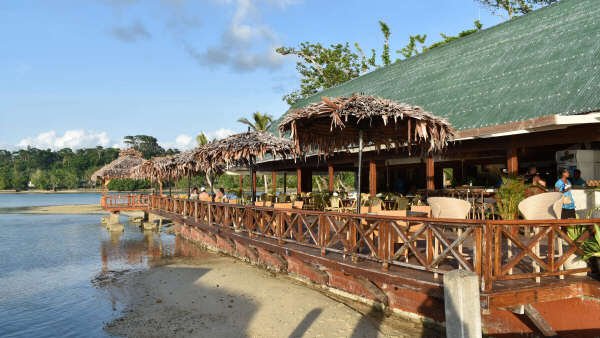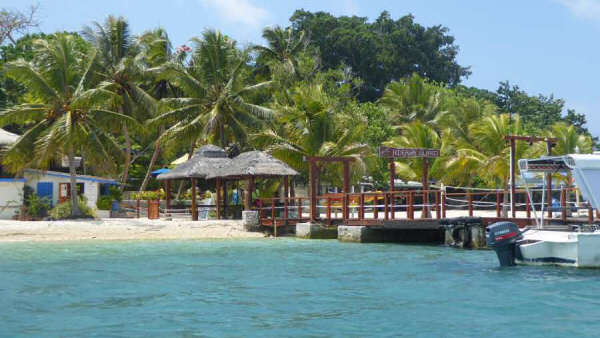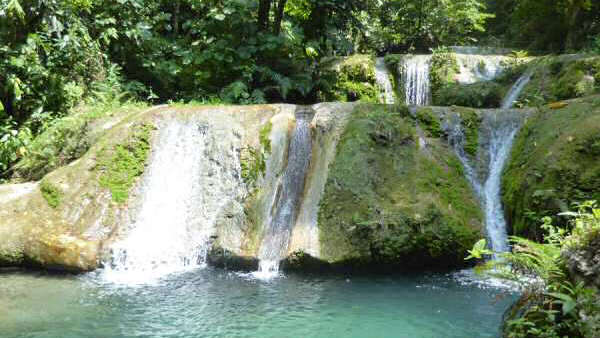
Vanuatu is a tropical paradise nestled in the South Pacific, conveniently located between Fiji and Australia. Imagine a place offering a unique blend of vibrant culture, stunning natural scenery, and a wonderfully relaxed island lifestyle that will melt away your worries.
Vanuatu is an archipelago nation of over 80 islands, stretching nearly 1000 kilometres, with each one offering something a little different. From active volcanoes that put on a spectacular show to lush rainforests waiting to be explored and pristine beaches with crystal-clear waters, there's an adventure for every family member. It's a destination where unforgettable memories are made, and it's surprisingly accessible for Australian families, often packaged with value-added inclusions that make planning a breeze.
Vanuatu is an archipelago nation comprising 83 islands, extending in an irregular Y shape for about 650 kilometres. The capital, Port Vila, is located on Efate, which serves as the country's commercial heart. The islands themselves boast an incredible diversity of landscapes, ranging from rugged mountains and high plateaus to rolling hills, coastal terraces, and vibrant offshore coral reefs.
A significant and breathtaking aspect of Vanuatu's identity is its volcanic activity, with over 16 active volcanoes shaping its geography. Mount Yasur on Tanna Island stands out as one of the most accessible active volcanoes in the world, treating visitors to incredible night shows of shooting lava fountains that illuminate the dark sky. Further north, Ambrym Island is even known as the "Island of Fire" due to its colourful volcanic lakes.
The dynamic geological nature of Vanuatu, while a major draw for adventurous travellers, requires a mindful approach to travel planning. The presence of active volcanoes, frequent earthquakes, and the potential for tsunamis means that a family's journey here involves more than just packing swimsuits. For example, volcanic activity can disrupt flights, and earthquakes can cause damage to roads and buildings. Therefore, it is highly advisable for families to consistently check the Vanuatu Meteorological and Geo-Hazards Department website for the latest alerts both before and during their trip, especially if they plan to visit volcanically active islands like Tanna or Ambrym. This proactive approach to staying informed is not just about convenience; it is fundamental for ensuring the safety of everyone in the family and minimising unexpected disruptions. Furthermore, considering the limited medical facilities and the potential for expensive medical evacuations , comprehensive travel insurance that covers natural disaster-related disruptions becomes an essential part of the travel budget, extending beyond just the fun activities to include preparedness for unforeseen circumstances.
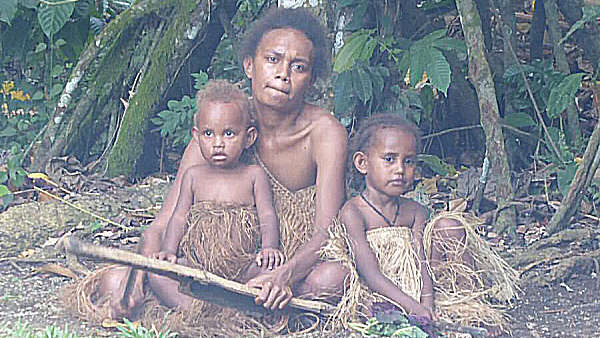
The indigenous population of Vanuatu, known as Ni-Vanuatu, are predominantly Melanesian, though some outer islands have Polynesian communities. There are also smaller minorities of Europeans, Micronesians, Chinese, and Vietnamese. Vanuatu has a reputation for being one of the happiest places in the world, a sentiment largely attributed to its strong sense of community. The warm, friendly, and open-hearted nature of the Ni-Vanuatu people plays a significant role in making visitors feel genuinely welcome and often inspires them to return.
Central to Vanuatu's culture is the concept of "kastom," which encompasses the traditional laws, values, and social norms that guide daily life and community interactions. These customs are incredibly diverse, varying between islands, with each boasting its distinct language, dance, music, and art forms. Traditional practices, such as the Naghol (land diving) ceremony on Pentecost Island, are deeply significant. This awe-inspiring ritual, considered a precursor to modern bungee jumping, serves as a rite of passage for young men and is believed to ensure a bountiful yam harvest. Another unique art form, sand drawing, particularly prevalent on Ambrym, has been recognised by UNESCO as part of Vanuatu's intangible cultural heritage.
The community and strong family ties form the very cornerstone of Vanuatu society, with extended families often living together in close-knit communities, sharing resources and responsibilities. Traditional ceremonies and festivals, such as the annual Yam Festival, are integral to the nation's cultural heritage and communal values, celebrating staple foods with feasting and dancing. For visiting families, understanding "kastom" means appreciating that local life is deeply rooted in these traditions and community bonds. Engaging respectfully, for instance, by dressing modestly when visiting villages and being open to invitations to share communal meals , will undoubtedly enrich your family's experience and help foster genuine connections with the Ni-Vanuatu people. This approach allows for a deeper participation in, rather than merely an observation of, the local way of life. This profound cultural richness offers unique educational opportunities for children, providing them with firsthand exposure to diverse ways of living, the importance of community, and the value of intangible heritage, which extends far beyond what they might learn in a classroom. It encourages a more empathetic and globally aware perspective, making the holiday truly transformative.
Vanuatu is renowned for its incredible linguistic diversity, with over 100 local Melanesian languages and dialects spoken across its 80-plus islands. This rich tapestry of languages is a fundamental part of the country's national heritage.
The national language is Bislama, an English-based Melanesian pidgin that has evolved into a creole in urban areas. Alongside Bislama, English and French are also official languages, which generally makes communication relatively easy for visitors from Australia. English and French are also the principal languages used in education.
While English is an official language and widely understood, the prominence of Bislama as the national language and the sheer number of local languages spoken suggest that making an effort to learn a few Bislama phrases is more than just polite; it is a profound gesture of respect for local identity and a key to unlocking more authentic interactions. It demonstrates an appreciation for their culture that goes beyond mere convenience. Knowing a few basic Bislama phrases, such as "Halo" (Hello) or "Tangkiu" (Thank you), can go a long way in building rapport with locals. This simple act can significantly enhance your family's interactions, making locals feel more comfortable and open to sharing their culture. This linguistic diversity is a unique cultural asset, and encouraging your family to engage with Bislama helps preserve this heritage. It also offers children a practical lesson in cultural appreciation and communication beyond their comfort zone, fostering a more immersive and rewarding travel experience.
Vanuatu is remarkably close for Australian families, with flying times of less than four hours from Australia's east coast. Direct flights to Port Vila's Bauerfield International Airport (VLI), the main international gateway, are readily available from major Australian cities.
For families flying from Sydney (SYD) to Port Vila (VLI), nonstop options start from around A$261 with Jetstar, while Virgin Australia, Qantas, and Fiji Airways offer flights from A$400 and up. Direct flights from Sydney are available four days a week (Monday, Wednesday, Thursday, and Saturday) with Jetstar. From Brisbane (BNE) to Port Vila (VLI), nonstop flights begin from A$565, with Qantas and Virgin Australia offering daily direct services. Families departing from Melbourne (MEL) can find flights from A$645. Other Australian cities also offer connections, with flights from Adelaide (ADL) starting from A$699, Canberra (CBR) from A$778, and Perth (PER) from A$1,056.
Airlines providing direct flights include Qantas, Virgin Australia, and Jetstar. Fiji Airways and Solomon Airlines also offer connecting flights, expanding your options. When planning your family's trip, it is worth noting that flight prices can vary significantly depending on your departure city and the airline chosen. Jetstar, for example, often provides notably cheaper direct flights from Sydney. This variation in pricing is not just about finding a good deal; it is about strategic planning, especially for families who often have fixed holiday periods and budgets. The cheapest times to fly, typically May, early June, and September , often coincide with Vanuatu's shoulder seasons, offering a double benefit of lower costs and fewer crowds. This allows families to potentially save a significant amount of money on airfares, which can then be reallocated to enriching experiences or more comfortable accommodation, making a Vanuatu holiday more feasible for a wider range of budgets and enhancing the overall value of the trip.
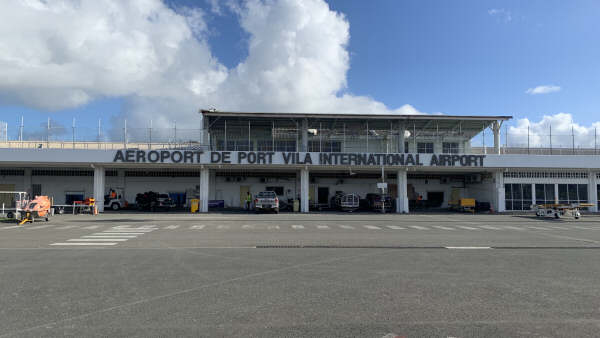
Bauerfield International Airport (VLI) is the main international airport in Vanuatu, conveniently located just 10 minutes from Port Vila.
Upon arrival, it is a smart move to try and move quickly from the plane to customs. The process can sometimes take a while, and the airport is not air-conditioned, so having water handy for your family is a good idea to stay comfortable. There is a small duty-free shop available after customs, but any purchases made here can only be accessed when you depart, so plan accordingly. For currency exchange, services are available at the airport between customs and immigration, with a couple more options after you pass through immigration, and they generally offer good rates.
For departures, particularly international flights, it is recommended to arrive at least two hours before your flight. The airport is relatively small, offering basic facilities such as bathrooms, cafes, currency exchange, and a few shops. If your family is flying with Air Vanuatu, online check-in is available from 24 hours up to 6 hours before departure. However, if you have checked luggage or are travelling with infants, you will still need to present yourselves at the check-in counter two hours prior to departure.
Preparing for the airport experience by having water, anticipating potential customs delays, and utilising online check-in where possible can significantly streamline your family's arrival and departure. This attention to detail transforms potential minor inconveniences, such as a non-air-conditioned airport or slow customs, into manageable aspects of your travel. A smoother airport experience sets a positive tone for the entire family holiday, reducing stress for parents right from the start and ensuring a more pleasant transition into your Vanuatu adventure. As for visas, Australian citizens can typically obtain a tourist visa upon arrival, which allows for a maximum stay of 120 days. You will need to demonstrate a genuine intention to visit for tourism, have sufficient financial means to support your family, and possess a return ticket or proof of onward travel.
Once you land, getting from Bauerfield International Airport to your accommodation is straightforward. Most resorts and hotels offer guest transfers, which can be a convenient option, especially with children. Taxis are plentiful and easily found at the airport or can be arranged through your resort. For a more budget-friendly option, buses (which are actually mini-vans) are available, though they might not take you directly to your destination as they operate on flexible routes. Car hire desks are also located within the terminal if you prefer to drive yourself.
Around Port Vila, buses are mini-vans typically seating about 10 people, identifiable by a "B" on their licence plates. They are abundant, friendly, and very affordable, usually costing around VT150 per person for most trips within Port Vila, with longer distances potentially rising to VT300-500 per person. These buses are flexible, often adjusting their routes based on passenger requests, which can make for an interesting local experience. Taxis, marked with a "T" on their plates, are also plentiful and charge a flat rate of VT500 for the entire taxi within Vila, making them a more economical choice than buses for groups of four or more people.
If your family is considering driving yourselves, visitors can use an Australian driving licence for up to three months. However, be aware that cars drive on the right side of the road, but give way to traffic on their right (similar to Australia), which can be a bit confusing at first. Roads outside urban areas are often unpaved dirt tracks, making 4WD vehicles more suitable for exploring. It is also worth noting that vehicles in Vanuatu may not be of the highest quality, so expect rides to be more adventurous than anticipated.
For inter-island travel, your family has several options. Air Vanuatu operates domestic flights, connecting Port Vila with Santo and Tanna using comfortable ATR-72 aircraft. Flights to other outer islands are typically on smaller aircraft, often landing on grass airstrips and without assigned seating. It is important to know that schedules can be limited, with some islands having only one or two flights a week, and they are subject to change due to weather conditions or volcanic ash. Booking outer island flights well in advance is highly recommended. A provincial departure tax of VT200 is paid prior to departure for domestic flights from specific airports.
Alternatively, several companies offer boating services between the islands. Vanuatu Ferry and Big Sista operate the Port Vila - Malekula - Luganville route, a journey of about 24 hours, often making additional stops at other islands depending on demand. For travel south to Tanna, the MV Tauraken operates, though this journey can be rougher due to ocean currents. Cargo vessels are the most economical way to travel inter-island, though they are less comfortable than passenger ferries. For shorter hops between larger and smaller islands, banana boats are a common and exciting part of the journey.
The range of transport options in Vanuatu allows families to balance convenience, cost, and adventure. Taxis and resort transfers are the easiest way to get around Port Vila, especially when travelling with young children. Buses offer a cheap and authentic local experience if your family is not in a hurry and enjoys a flexible itinerary. Inter-island travel requires careful planning: flying is faster but less frequent to smaller islands, while boats provide a more adventurous, slower-paced journey, allowing you to truly immerse yourselves in the island life. Self-driving is an option, but it comes with unique navigational quirks and varying road quality. This tiered transport system means families can tailor their travel style to their budget and desired level of exploration. It also means that for extensive island hopping, embracing a "go with the flow" attitude and maintaining flexibility are more important than sticking to rigid itineraries, especially given potential flight changes due to weather or volcanic activity. This adaptability is key for a stress-free and enjoyable family trip.
The official currency of Vanuatu is the Vanuatu Vatu (VUV), commonly symbolised as VT. It was introduced in 1981, replacing the New Hebrides franc following Vanuatu's independence. A unique characteristic of the Vatu, unlike most other currencies, is that it has no subunit-meaning there are no "cents" or smaller denominations. Coins are issued in denominations of 1, 2, 5, 10, 20, 50, and 100 Vatu, while banknotes range from 200 Vatu up to 10,000 Vatu. Interestingly, the Vatu coins are minted by the Royal Australian Mint.
Locals sometimes refer to 100 Vatu informally as "one dollar". This informal reference stems from a historical period when the Vatu traded at approximately one US dollar per 100 Vatu. This unique currency structure, with no subdivisions, simplifies cash transactions, as you will not be dealing with small change like cents. Understanding that 100 Vatu is sometimes informally called a "dollar" by locals can help your family feel more at ease and avoid minor confusion in daily transactions. This subtle local nuance, once understood, can enhance your comfort and ease of spending throughout your trip. This unique aspect of the currency means less fuss with small change, which can be a minor but welcome convenience for families juggling purchases and keeping an eye on their children. It also subtly reinforces the distinctness of Vanuatu's economic system and local culture, adding to the authenticity of your travel experience.
While the Australian Dollar (AUD) is occasionally accepted in Vanuatu, particularly in tourist areas and for larger transactions, the exchange rate you receive will generally be poor. For the best value, it is highly recommended to exchange your AUD into Vanuatu Vatu (VUV).
Major banks such as ANZ, Westpac, and the National Bank of Vanuatu (NBV) offer money changing services. In Port Vila, banks typically operate from Monday to Friday, 8:00 am to 3:00 pm. For immediate exchange upon arrival, money exchange services are conveniently located at Bauerfield International Airport (VLI) between customs and immigration, with additional options available after you pass through immigration. These airport exchanges are known to offer good rates.
When it comes to electronic payments, most major credit cards are accepted in Port Vila and Luganville, the larger towns. However, their acceptance becomes significantly less common when venturing into other parts of Vanuatu. ATMs are available at ANZ and Westpac banks in the main centres. To optimise your family's money management, it is advisable to exchange a substantial amount of your Australian dollars into Vatu at the airport upon arrival, as these outlets often provide favourable rates. While AUD might be accepted in some tourist spots, you will generally get a better deal by paying in Vatu. It is also wise to carry a sufficient amount of cash, especially if your family plans to explore areas outside Port Vila or Luganville, where card acceptance is limited. Having local currency readily available, particularly in smaller denominations, makes transactions smoother, especially at local markets or for minor purchases. This reduces potential stress for parents and also supports local businesses more directly, aligning with principles of responsible tourism.
Managing your family's holiday budget effectively in Vanuatu is quite achievable with a few smart spending strategies. Supermarket food, for instance, is generally much cheaper than prices at resorts. Therefore, stocking up on essentials like drinks, chips, bottled water, and beer from local supermarkets is a practical way to save money.
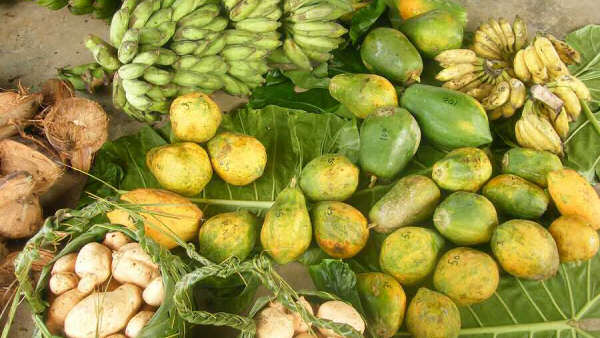
Port Vila's vibrant markets offer a fantastic opportunity to immerse yourselves in local life while saving a few dollars. Here, your family can buy fresh fruit and vegetables, as well as local crafts, shells, beads, necklaces, and clothing. These markets are also a great place to try local cooked treats at very affordable prices, with meals often costing around VT500 per plate. It is worth noting that a 15% Value Added Tax (VAT) is usually included in the quoted prices for goods and services, so there are typically no hidden surprises there. An interesting local observation suggests that prices in Port Vila might increase when a cruise ship is in town. Keeping this in mind, perhaps planning your market visits on non-cruise days could offer a slight advantage.
These budgeting tips empower families to manage their holiday finances more effectively. By opting for self-catering where possible and embracing local markets for fresh produce and affordable meals , your family can stretch your budget further, potentially allowing for a longer stay or more enriching activities. This approach helps make Vanuatu truly feel like an "affordable luxury" destination , even for families, and promotes engaging with the local economy in a cost-effective and authentic way.
Vanuatu experiences two distinct seasons that shape the travel experience: a hot and wet season from November to April, and a cooler and drier season from May to October. The northern islands, being closer to the equator, tend to be hot and wet throughout the year, while the central and southern islands experience a more pronounced dry and wet season.
During the Wet Season (November - April), your family can expect hot and humid weather, often accompanied by frequent tropical storms and heavy but generally short rain showers. December is a popular time to visit, as temperatures are high, but the most intense stormy weather typically has not yet arrived. However, January and February see an increased probability of cyclones, as the cyclone season officially runs from November through May. This means that unpredictable and unfavourable weather patterns are more common during these two months. The average summer temperature during this period is around 28 degrees Celsius.
The Dry Season (May - October) is generally cooler and less humid, with average daily highs usually staying below 26 degreesC. The evenings are cooler but rarely drop below 18 degreesC. This period offers clear, blue skies more frequently, making it ideal for most outdoor holiday activities. The average winter temperature is around 23 degrees Celsius, though it can get a bit cool at night.
For Australian families, the period from April to September is generally considered the best time to visit Vanuatu. This aligns with the dry season, offering warm, sunny weather with less humidity, which is perfect for a tropical family vacation. During these months, the water temperature remains a refreshing 22-24 degreesC, making it ideal for water activities like snorkelling and diving.
While the dry season is generally preferred, the wet season can still be a great time to visit, as rain showers often come in short, sharp bursts, and higher humidity may not significantly impact water-based or indoor activities. However, for families, the dry season minimises the risk of travel disruptions due to cyclones and heavy rains, which can impact services and cause property damage.
High season in Vanuatu typically occurs in December and January, and also in April, mid-to-late June, and July. These periods coincide with Australian and New Zealand school holidays, leading to more crowded islands and increased prices for accommodation and activities. To avoid the biggest crowds and potentially snag some better deals, the shoulder seasons-specifically May, early June, and September-are highly recommended. These months still fall within the dry season, offering a combination of great weather, fewer tourists, and potentially lower prices, allowing your family to enjoy Vanuatu's attractions without the hustle and bustle. You might virtually have the stunning waterholes, azure seas, lush rainforests, and mountain trekking trails to yourselves.
Planning your family's trip around these seasonal patterns is key to optimising your enjoyment. Choosing the dry season, especially the shoulder months, allows for maximum outdoor activity and reduces the likelihood of weather-related disruptions. This strategic timing ensures your family can fully immerse themselves in Vanuatu's natural beauty and adventures, making for a more comfortable and memorable holiday.
Ensuring your family's health and safety is paramount when travelling to Vanuatu. It is highly recommended to consult a travel doctor or healthcare professional at least 6 to 8 weeks before your departure. This allows ample time for a personalised risk assessment based on your family's medical history and travel plans, and to complete any necessary vaccination schedules.
Generally, vaccinations advised for Vanuatu include Hepatitis A and Tetanus. Other vaccines your doctor might consider include Diphtheria, Hepatitis B, and Typhoid. It is crucial to ensure all routine vaccinations, such as MMR (Measles, Mumps, Rubella) and Chickenpox, are up to date for all family members, especially children.
Malaria is a significant health consideration in Vanuatu, with a high risk present throughout the year in all areas, particularly in the north of the country. There is no vaccine for malaria, so essential precautions are necessary. Your family should actively avoid mosquito bites by covering up with clothing like long sleeves and long trousers, especially after sunset. Using insect repellents on exposed skin and, when necessary, sleeping under a mosquito net, are also vital. It is imperative to discuss suitable antimalarial tablets with your doctor or nurse, as medication is usually advised for high-risk areas. Dengue fever, another mosquito-borne illness, can occur anywhere in Vanuatu, so maintaining insect-proof accommodation and using repellent during the day is also important.
This proactive approach to health planning provides peace of mind for your family's adventure. By addressing vaccinations and malaria prevention well in advance, you are not just ticking boxes; you are actively mitigating potential health risks that could otherwise disrupt your holiday. This preparedness allows your family to fully enjoy Vanuatu's beauty and activities without undue worry about preventable illnesses, ensuring a focus on creating joyful memories.
When it comes to food and water in Vanuatu, a few simple precautions can help keep your family healthy and happy. The tap water in Port Vila and Luganville is generally considered safe to drink. However, its safety can be compromised following cyclones or periods of heavy rains, so it is always wise to check local advice. Outside these main urban areas, it is strongly recommended to drink boiled or bottled water. Bottled water is readily available throughout Vanuatu if you prefer that option. Regardless of your choice, staying well-hydrated is crucial in the tropical climate. Be aware that Port Vila water has a high calcium content, which might leave white specks in your tea or clog shower roses.
To protect your family from foodborne illnesses, it is advisable to avoid raw or undercooked food, such as salads, especially when dining outside Port Vila and Luganville. It is also best to avoid ice cubes if you are unsure of the water source. While seafood is abundant and generally excellent in Vanuatu, be cautious with reef fish due to the risk of ciguatera poisoning, a naturally occurring toxin. If poisoning is suspected, seek urgent medical attention.
Navigating food and water safely is a fundamental aspect of a smooth family holiday. By understanding and implementing these simple guidelines, your family can confidently enjoy the delicious local cuisine and stay hydrated without unnecessary health concerns. This careful approach ensures that your focus remains on the joy of discovery and adventure, rather than on potential health setbacks.
Medical facilities in Vanuatu are limited, particularly outside of Port Vila and Luganville. In the event of a serious illness or injury, your family may require medical evacuation, which can be both expensive and challenging to organise. Doctors and hospitals often require immediate cash payments for services. For diving accidents, it is important to know that the only hyperbaric chamber is located in Port Vila, meaning it could take hours or even days to reach necessary facilities if an incident occurs on other islands. The standard of rescue and emergency services in Vanuatu is not as high as what you might be accustomed to in Australia.
Given these limitations, comprehensive travel insurance that explicitly covers medical emergencies and potential medical evacuation is not just recommended, it is essential. Before your trip, thoroughly check your policy to ensure it provides adequate coverage for your family, including any adventure activities you plan to undertake. If any family members have existing medical conditions, it is crucial to discuss travel plans with your doctor and carry a copy of any prescriptions or a doctor's letter for medications you bring.
Shopping in Vanuatu offers a delightful experience, with a diverse array of unique products that make for perfect souvenirs and gifts. Unlike some other popular Pacific destinations, you will find the shopping experience here much more pleasant, with no pressure to enter shops or buy something you do not want.
Some of the best local products to look out for include:
For the best shopping experiences, focus on Port Vila. The Port Vila Market, also known as Mama's Market, is a bustling hub for fresh fruit, vegetables, and local handicrafts. Fridays are particularly vibrant as vendors from across the islands gather. An extension of this, the Port Vila Handicraft Market, located on the waterfront, specialises in locally made handicrafts, making it an ideal spot for souvenir hunting. You might also find unique items at places like Pandanus Vanuatu Ltd, which focuses on locally made accessories, jewellery, homewares, and books, with about 80% of their stock being made in Vanuatu.
Duty-free shopping is also prominent, mainly in Port Vila. You will find shops like Prouds Duty Free Vanuatu (at the airport), Fung Kuei Duty Free Vanuatu (on the waterfront), and Paris Shopping Duty Free, offering alcohol, tobacco, perfumes, and luxury brands.
For families, strategic shopping for authentic souvenirs can greatly enhance the holiday experience. By prioritising local markets and artisan shops, you are not only acquiring unique mementos but also directly supporting the local economy and communities. This approach allows your family to bring home items with genuine cultural significance, rather than mass-produced goods, making your purchases more meaningful and memorable. It also offers an opportunity for children to learn about local craftsmanship and the value of supporting small businesses.
The Ni-Vanuatu people are widely known for their warm, friendly, and open-hearted nature, making visitors feel incredibly welcome. To ensure positive interactions and show respect for their culture, a few simple etiquette guidelines are helpful.
A common greeting is a simple handshake, accompanied by a smile and a few words. When meeting villagers, it is considered polite to remove your sunglasses so your eyes can be seen. If you are invited into a local home, which can happen informally, always follow the advice of your guide. It is almost universal custom to remove your shoes when entering a home, and removing hats or caps is also a sign of respect in certain cultural spaces. If food is offered, trying what you are given is appreciated, as generosity in providing food is highly valued. When seated on the ground or floor, it is polite for men to sit cross-legged and for women to sit with their legs tucked beneath them or to one side, taking care not to expose their thighs.
Vanuatu is a predominantly Christian country, and standards of dress and behaviour are modest. When visiting villages or non-tourist areas, women should dress modestly, covering their shoulders and knees. While wearing shorts by women in villages is more common now, some elders may still disapprove, so dresses or skirts are generally advised. Swimwear should be restricted to designated tourist areas and never worn into villages unless covered by a lava-lava or similar wrap. Men can swim without shirts but should wear a shirt otherwise.
This emphasis on respectful engagement fosters positive cultural exchange. By learning about and adhering to local customs, your family demonstrates a genuine appreciation for Vanuatu's rich heritage. This not only enhances your interactions with the Ni-Vanuatu people but also provides a valuable learning experience for children about cultural sensitivity and global citizenship. It transforms a simple holiday into an opportunity for meaningful connection and understanding.
One of the pleasant surprises for Australian families visiting Vanuatu is the generally low-pressure environment when it comes to interactions with hawkers and vendors. Unlike some other popular tourist destinations where aggressive selling can be common, shopping in Vanuatu is often described as a much more pleasant experience, with no pressure to enter shops or buy something you do not want. This suggests that aggressive hawking is not a widespread issue for tourists here.
Crime in Vanuatu is generally low. However, like any travel destination, it is always wise to be aware of your surroundings. Crime tends to increase on weekends and in the lead-up to holidays like Independence Day (July 30) and Christmas. The risk of violent crime can be higher after dark or in isolated locations, so it is advised not to walk alone after dark. Petty crime, such as opportunistic theft, can occur, so keeping your belongings secure, especially on buses and taxis at night, and locking your accommodation, is sensible.
While rare, credit card and ATM fraud can occur, so exercise caution when using cards: pay attention when your cards are handled, use ATMs in well-lit public areas, cover the keypad when entering your PIN, and regularly check your account statements for unauthorised transactions. Drink spiking has also been reported, so be vigilant and do not leave food or drinks unattended.
The low-pressure environment regarding hawkers contributes significantly to a more relaxed and enjoyable holiday for families. This allows parents to browse and shop at their leisure without feeling harassed, fostering a more positive and authentic interaction with local vendors and markets. It means your family can focus on the joy of discovery and cultural immersion, rather than constantly fending off unwanted attention.
Vanuatu is a natural haven brimming with adventures suitable for every family member, offering a fantastic variety of activities, destinations, and accommodation. Whether your family seeks quiet relaxation or active exploration, Vanuatu has it all.
The main island of Efate, where Port Vila is located, offers a wealth of family-friendly activities that are easily accessible:
For families seeking more adventurous excursions beyond Efate, Tanna and Espiritu Santo offer unique experiences:
Vanuatu offers a wide array of activities, allowing families to tailor their adventure levels. This means whether your family prefers leisurely beach days and gentle swims or seeks the thrill of volcano treks and jungle ziplines, there is something for everyone. This flexibility ensures that each family member, from the youngest to the oldest, can find activities that resonate with their interests, making the holiday truly enjoyable and memorable for all.
Vanuatu is an excellent choice for Australian families seeking a tropical holiday that goes beyond the typical resort experience. It is regarded as one of the happiest places in the world, and this sense of community permeates the atmosphere, making it a truly welcoming destination. The Ni-Vanuatu people are famously kind, curious, and open-hearted, contributing significantly to visitors feeling comfortable and wanting to return.
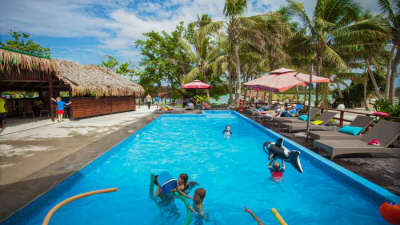
The country offers a lush, natural haven filled with diverse adventures, from jungle ziplining and snorkelling tours to catamaran sailing and exploring stunning blue lagoons and waterholes. For families who prefer a more relaxed pace, there are beautiful beaches where kids can count starfish or spend endless hours in resort pools while parents unwind. Vanuatu truly has something for every family member, whether it is recreation or pure relaxation.
One of the most appealing aspects for Australian families considering Vanuatu is the incredible value often available through holiday packages. Many packages include exclusive inclusions such as flights, resort stays, and transfers, often bundling in significant "Bonus Value". A standout feature for families is the common offer of "kids stay & eat free," which can significantly reduce holiday costs. These packages frequently include daily buffet breakfast, island tours, family experiences, and even villa upgrades, alongside day spa credits for deserving parents.
My Vanuatu, for example, is renowned for offering unbeatable value, with tried and tested world-class experiences. Their bespoke holidays aim to create unforgettable moments, including experiences like snorkelling and diving in vibrant reefs, exploring wrecks and caves, hiking through rainforests, swimming in freshwater blue holes, feasting in local villages, and flying over volcanoes. They even offer exclusive experiences like Blue Hole Snorkelling, River Kayaking, or Volcano Tours that are included in their packages and not found elsewhere.
Vanuatu's strong value proposition, particularly with offers like "kids stay & eat free," makes it an incredibly attractive destination for Australian families. This direct cost-saving on accommodation and meals allows families to allocate more of their budget towards enriching activities and unique experiences, or simply to extend their stay. This approach transforms Vanuatu into an even more accessible and appealing "affordable luxury" destination, ensuring that families can enjoy a comprehensive and memorable holiday without feeling financially strained. It simplifies budgeting and enhances the overall holiday experience, making it a top contender for your next family escape.
Vanuatu truly stands out as an exceptional destination for Australian families, offering a unique blend of natural beauty, rich culture, and genuine hospitality. From the moment your family steps off the plane at Bauerfield International Airport, the relaxed island pace and friendly Ni-Vanuatu people set the tone for an unforgettable holiday.
The country's diverse geography, with its active volcanoes, lush rainforests, and pristine coral reefs, provides a stunning backdrop for endless adventures. Whether your family is drawn to the thrilling sight of Mount Yasur's eruptions, the refreshing embrace of the Blue Lagoon, or the immersive cultural experiences in local villages, there is an activity to captivate every age and interest.
The emphasis on "kastom" and community means that respectful engagement with local traditions will not only enrich your family's understanding but also foster deeper, more meaningful connections.
Practical considerations, such as easy flight access from Australia, the straightforward local currency, and the generally low-pressure environment for tourists, contribute to a stress-free travel experience. Smart planning around weather patterns and leveraging value-packed holiday deals, especially those offering "kids stay and eat free," can make a Vanuatu holiday surprisingly affordable. While medical facilities are limited, proactive health preparations and comprehensive travel insurance provide essential peace of mind.
Ultimately, Vanuatu offers more than just a tropical escape; it provides an opportunity for families to create lasting memories, learn about a vibrant culture, and reconnect with nature in a truly happy and welcoming environment. It is a destination that promises adventure, relaxation, and an authentic South Pacific experience that your family will cherish for years to come.